The customer’s problem
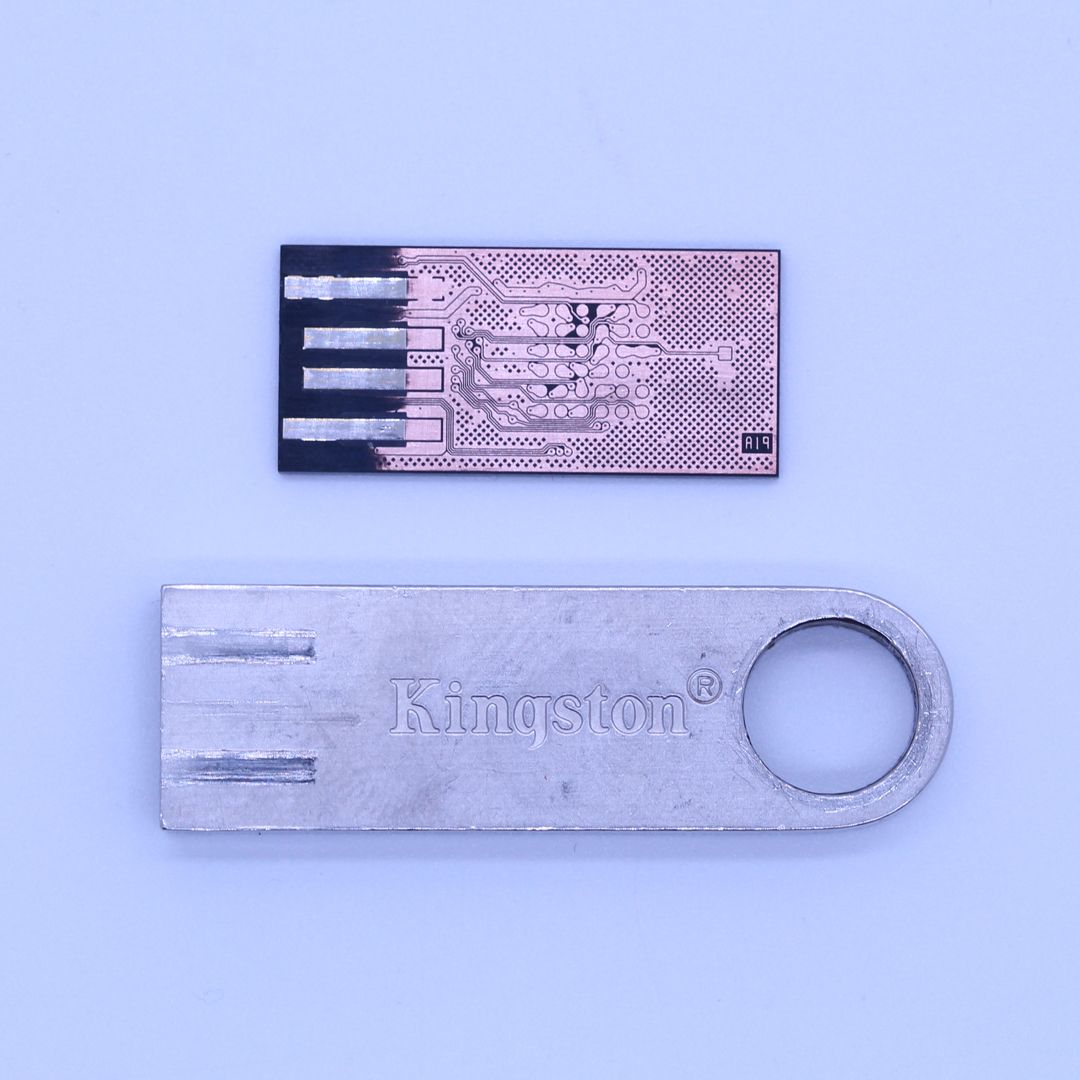
The customer sent us a Kingston DTSE39H USB flash drive that had suddenly stopped working. When plugged into the computer’s USB port, the drive was not detected in any way — it did not appear in the system and did not respond.
Diagnostics
During professional diagnostics we identified two key faults:
- A damaged power circuit of the drive (a common fault on this model)
- Early degradation of the memory cells inside the chip
These faults make ordinary reading of the drive impossible. In such a case the lab has two options for data recovery.
Recovery options
Option A — direct data extraction from the chip
This method involves direct reading of the memory core (chipoff recovery) followed by reconstruction of the data system. However, it is:
- Time-consuming — days to weeks
- May not deliver a full recovery of large files (video, archives with a continuous structure)
- Requires desoldering the chip, reading it through a programmer, and logical reconstruction of the FTL
Option B — bypassing the damaged power supply (chosen)
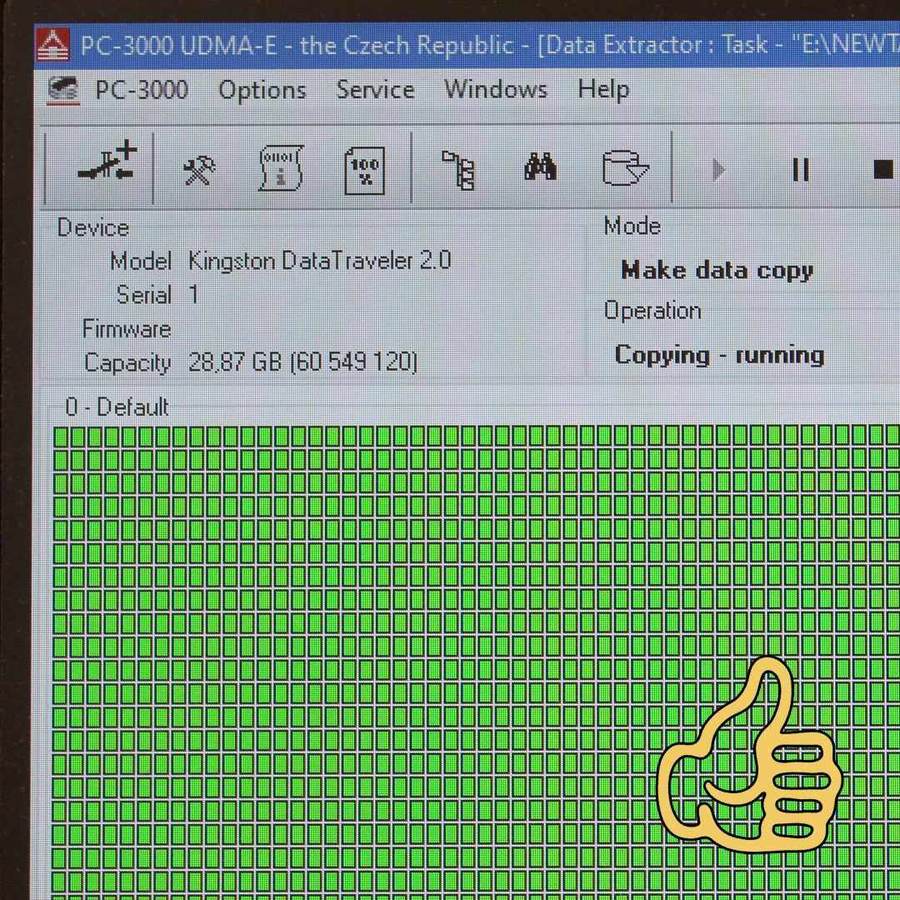
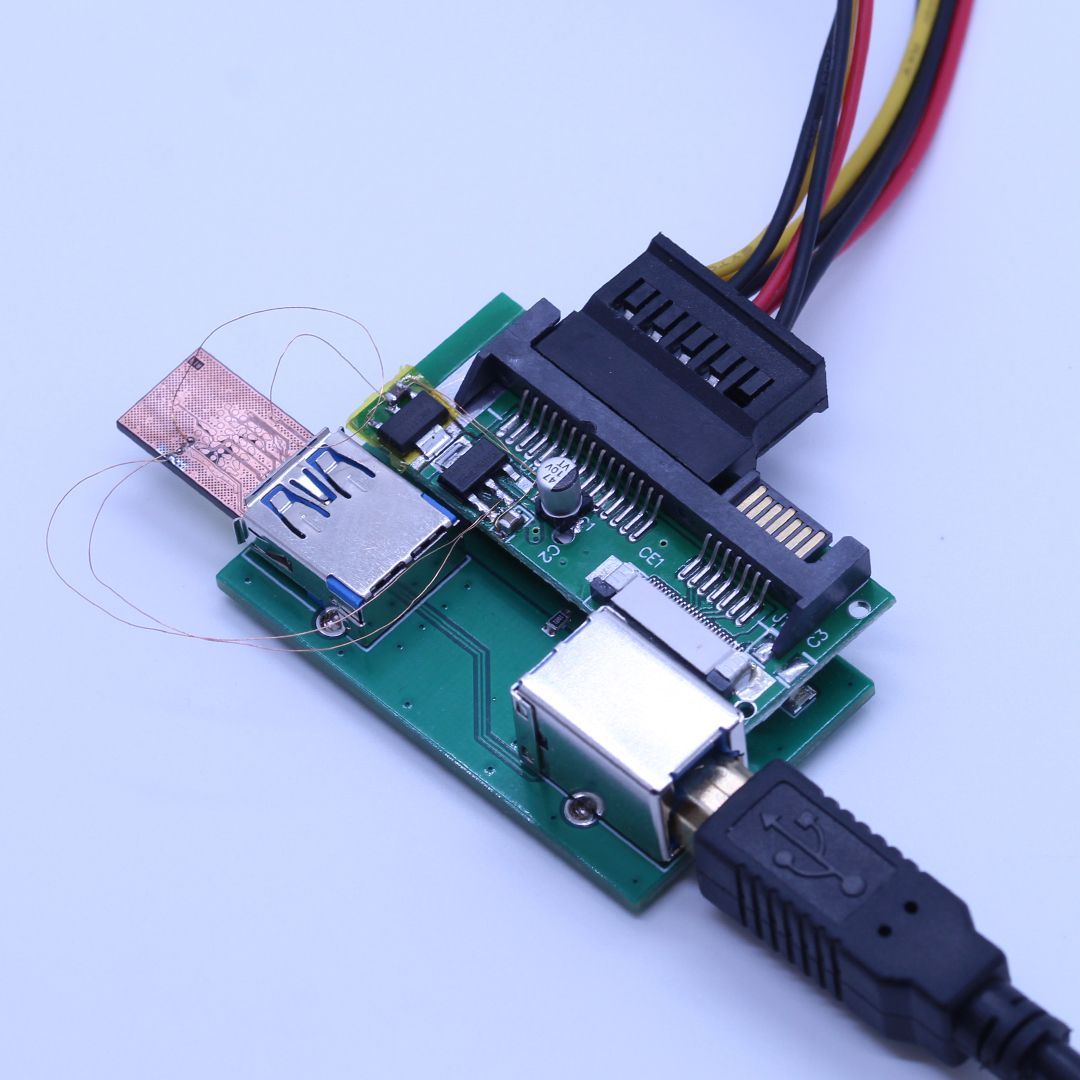
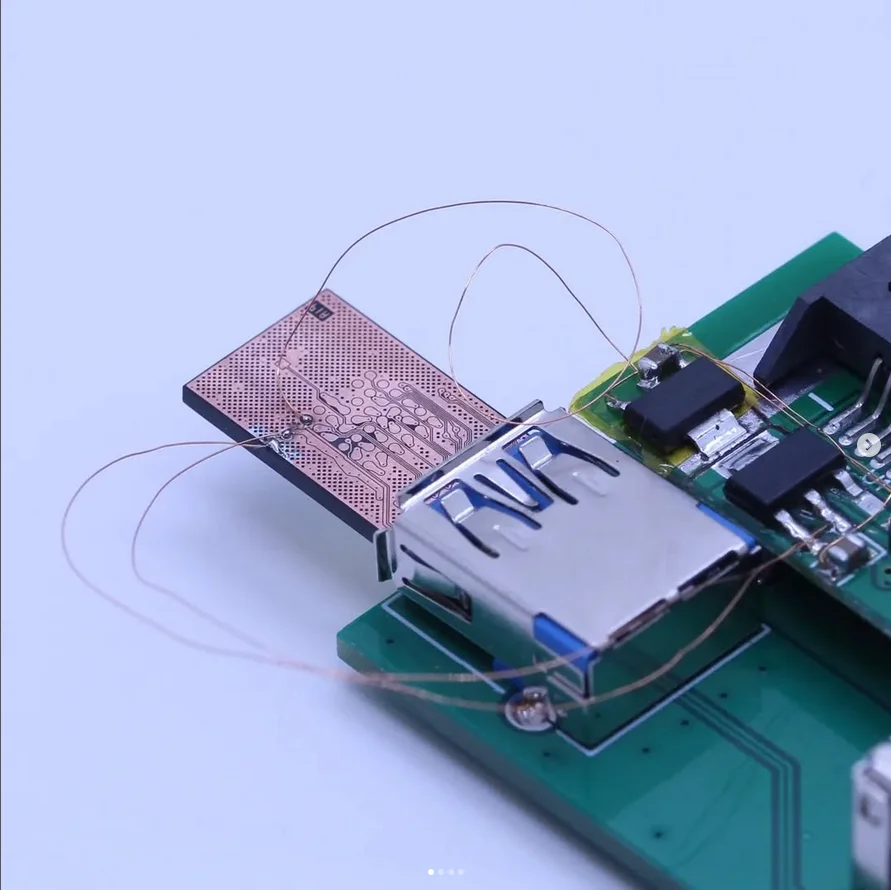
We supplied power directly to the memory chip from an external source, thereby bypassing the faulty power circuit. This intervention is:
- Demanding in terms of precision (nanometre-scale work with wires)
- Able to restore the device’s functionality temporarily
- Safely retrieves all data from the live chip
Result
The chosen option B delivered the best possible outcome:
- We recovered 100% of the stored data
- We preserved the original folder structure
- Before handover we gave the client a secure online preview
Client: „The data was rescued down to the last file. Fast communication and a professional approach. Thank you so much!"
Technical insight
This type of USB drive uses a monolithic chip, where the memory cores, the controller, and the power circuit are integrated into a single body. Such a design makes ordinary repairs impossible and requires advanced techniques that ordinary repair shops do not have.
The Kingston DTSE39H is not the only model with this construction — some SanDisk Cruzer Blade and Verbatim Store ‘n’ Go models, or micro USB-C/Lightning flash drives for phones, behave similarly. If your USB flash drive has suddenly „disappeared" and the computer cannot see it, do not put it in the freezer or in the sun — bring it in.
Have a similar problem? For selected USB media, the first indicative diagnostic is normally free. Recovery enquiry · +420 775 556 063